A new trend is taking place in yoga studios around the UK. In the quiet minutes after a class, you may notice someone on their phone, not browsing social networks, but playing the Slot Fluffy Favourites Reload Bonus online slot. This unusual combination of intense meditation and gentle digital amusement is becoming a familiar part of contemporary self-care practice.
The Intersection of Awareness and Modern Recreation
Wellness culture often tells us to switch off our phones, but people are finding a middle ground. After an hour of focused breath and movement, the mind sometimes needs a specific kind of break. It’s not total silence, but a shift to something different. A few minutes with a bright, simple game like Fluffy Favourites provides that cognitive switch, a cognitive refresh between periods of sustained attention.
This marks a transformation in our perspective on self-care. Wellness is no longer just about discipline and sacrifice. It can involve a piece of effortless enjoyment. For some, the jump from structured meditation to unstructured play makes both experiences sharper. The mind refreshes more successfully with this variation than with total stillness.
This is most visible in urban studios with packed schedules. Someone finishes a powerful Ashtanga session, has a brief interval before a sound healing session, and uses that time for this digital break. It’s a practical approach to well-being, using different tools back-to-back to steer your mental state.
Analyzing the Fluffy Favourites Slot Charm
Fluffy Favourites is a popular online game, celebrated for its cute theme and straightforward design. It offers low-stress fun. The appearance is soft and old-fashioned, full of plush toy animals like pandas and elephants against a bright, cloud-filled sky.
The gameplay is straightforward. You’ll find no intricate rules or demanding decisions to handle. This simplicity is why it fits into a short break. Play for a few minutes without learning any tactics or investing emotion, which turns it into a handy tool within a larger wellness plan.
Main Aspects of the Title
Some design choices account for why it succeeds in this setting. The colours are all soft colors and muted hues, which feel relaxing to view. The audio is lively but soft, with no harsh sounds that could break a relaxed mood.
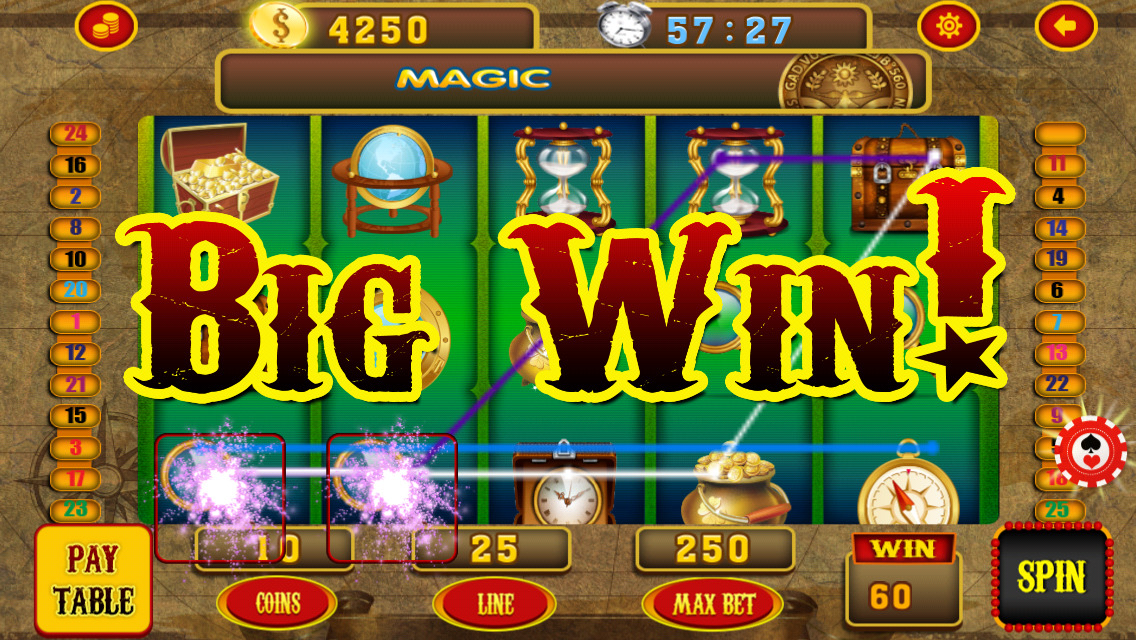
The icons and motions are whimsical and welcoming. The main “Toybox” bonus round enables players pick toys to discover prizes, a system that is gratifying without being intricate. Combined, these elements form a online space that feels separate from professional strain or deep thought.
This slot has no story to follow or ranking to aim pitchbook.com for. There’s no obligation to achieve anything. The absence of lasting goals fits a short break excellently. You may pause at any moment without dropping a task half-done, rendering simple to resume your upcoming wellness activity.
Contrasting Relaxation Modalities: Yoga vs. Gaming
Yoga and casual slot gaming exist on opposite ends of the relaxation spectrum. Yoga is engaged and disciplined, aiming for mind-body connection through breath and movement. It’s deliberate, often directed toward ft.com goals like flexibility or peace. The engagement is bodily and turned inward.
The relaxation from Fluffy Favourites is effortless and derives from outside. It asks for little effort and provides distraction. Your focus goes outward to colourful graphics and simple outcomes. This clear difference is why utilizing them in sequence is effective for some people.
- Yoga: Engaged discipline, inward focus, mind-body connection, goal-oriented.
- Casual Slot Play: Inactive engagement, outward focus, distraction-based, no goals.
- Combined Effect: The sequence uses active calming followed by passive mental release, which can intensify overall relaxation.
Think of it like a meal. Yoga is the nutritious main course for well-being. The brief gaming interlude is a light dessert, providing a different kind of satisfaction. One doesn’t negate the other. They fulfill our basic need for variety in how we relax and stimulate our minds.
The dichotomy meets an emotional purpose too. Yoga’s self-improvement angle can sometimes introduce subtle pressure. The slot game, with its complete lack of any improvement agenda, offers permission for pure, pointless fun. It can erase any lingering performance anxiety from the yoga session itself.
In what way the “Yoga Break” Tradition Appears
Such a scenario typically takes place in the gap between a yoga class and what follows, or during a longer workshop interval. Attendees put away their mats, take out their phones, and select some spins on a predictable game instead of diving into the stressful world of social media feeds.
It’s a private, personal way to decompress. The game acts as a mindful transition, a transition from the internal focus of yoga to the chit-chat in the café later. Teachers consider it a frequent self-directed habit instead of a scheduled event.
- The Transition Buffer: It forms a bridge from profound mindfulness back to casual socialising.
- Regulated Stimulation: It gives predictable mild engagement, in contrast to the chaotic digital feed.
- Individual Ritual: For most participants, it’s a personal repeated component of their wellness routine.
- Without competition: None social pressure or scores are involved, making the pause relaxing.
This habit often involves a tangible pattern: mat away, phone in hand, sometimes earphones on. This sequence becomes a cue to de-stress. The person lingers in the studio’s calm space, but their focus wanders to a online game designed for momentary consequence-free pleasure.
Cognitive Approaches on Cognitive Switching
Psychologists see merit in deliberate mental breaks. Theories like “attention restoration” propose that effortless, pleasant stimuli can help restore our reserve for focus. A game like Fluffy Favourites, with its basic, engaging visuals, fits the bill.
Moving from the mindful state of yoga to a task demanding minimal thought engages distinct parts of the brain. This can prevent the mental fog that often comes after concentrating on one thing for too long, leaving you feel more refreshed for the next activity.
This isn’t about checking out entirely. It’s about transitioning to a gentler mode of attention. It allows the brain regions stressed by physical coordination rest, while softly activating the visual and reward centres. The result is a more complete break than just staring into space.
The Role of Mild Reward Systems
Slot games function on random rewards, giving small, regular wins. In a quick, controlled session, these cause minor releases of dopamine. This produces a touch of mild pleasure without the force of serious gambling. That mild positive feeling can offset any leftover physical tiredness from the yoga.
The key point is that, done briefly and informally, this remains in the realm of play. The goal isn’t money. It’s the safe thrill of anticipation and a possible reward, which can improve your mood before you return to reality. The real size of any win is unimportant.
This outside, random reward is nothing like the inner rewards of yoga, such as peace of mind or physical achievement. That contrast is useful. The brain appreciates the diversity, so going back to mindful or social activities appears less like an obligation and more like a new choice.
Thoughts for Moderate Engagement
This approach shows innovative leisure mixing, but it demands awareness. The break’s main job is rejuvenation. Setting clear limits on time and money is vital to make sure the game supports your well-being instead of chipping away at it.
Wellness coaches recommend treating the game like a cup of tea or a short stroll—a purposeful, timed pause. It shouldn’t become the break’s main event or eat into time for mindfulness or conversation. Paying attention to your own habit-forming inclinations matters too.
Setting Healthy Boundaries
Keeping things harmonious involves simple steps. Use a timer to cap your play at a few minutes, so the break doesn’t disappear. Money-wise, stick to bonus features or set a strict, tiny loss limit to ensure it’s a leisure expense, not a financial one.
Above all, it should feel like a conscious choice. If the game starts to feel like a urge or brings frustration, it’s lost its purpose as a calming interlude. The ritual only works if it’s managed, voluntary, and short.
Here are some effective strategies for setting those boundaries:
- Pre-commitment: Decide on a time limit (say, 5 minutes) and a spending limit (maybe £1 maximum) before you even open the app.
- Environmental Cues: Keep your phone on silent and put it away the instant the timer goes off.
- Alternative Breaks: Mix it up. Some days, swap the game for reading or gentle stretching to avoid forming a rigid routine.
- Self-Check-ins: Ask yourself now and then: “Does this still feel like a fun choice, or has it become automatic?”
These steps help ensure the activity stays a tool you use, rather than one that uses you. The aim is to preserve the integrity of your wider wellness journey.
FAQ
Can you explain the Fluffy Favourites slot game?
Fluffy Favourites is a popular online slot game with a soft toy animal theme. It’s known for its pastel colours, simple gameplay, and features like the “Toybox” bonus. Its design concentrates on gentle, low-stress fun, which has made it a go-to for informal, short play sessions.
Why might someone play a slot game after a yoga class?
People use it as a mental buffer. After the deep focus of yoga, a few minutes of simple play helps the mind shift gears before going back to daily life. It provides light, distraction-based unwinding that contrasts clearly with the disciplined mindfulness of the prior activity.
Is this combination not inconsistent to wellness principles?
Today’s idea of wellness encompasses holistic balance, which can make room for moderated digital fun. The apparent contradiction is often the whole idea. The sharp contrast between activities can help the mind reset more efficiently. The key is deliberate, controlled use where the game acts as a brief tool, not a major activity.
What is the best way to ensure this habit remains healthy?
Set strict limits. Use a three-minute timer. Choose money—only use free spins or a small, fixed amount you’re happy to lose. Treat it as a intentional short break. If it feels compulsive or causes any negative emotion, stop. The activity must feel like a option, not a need, to be beneficial.
Do risks connected with this trend?
Any gaming has possible risks if you don’t set boundaries. The main risks are that it replaces more restorative breaks like quiet reflection or talking with friends, and that it could turn into a routine, longer play session. For anyone with a history of gambling issues, even casual play is not advisable.
Do yoga instructors endorse this practice?
Instructors don’t normally promote or endorse gaming. Most see it as a personal choice students make on their own time. The general philosophy tends toward non-judgment, emphasising that students should develop self-awareness about what genuinely supports their own sense of balance.